Close
Street scene with a wooden parklet featuring seating and a sandbox where children play, surrounded by people walking and riding bicycles.
Sembly
2025
Reclaiming urban space through sustainable travel.
Project summary
[[Sembly is a digital behavior change platform that empowers neighborhoods to reclaim urban space through sustainable travel.]]

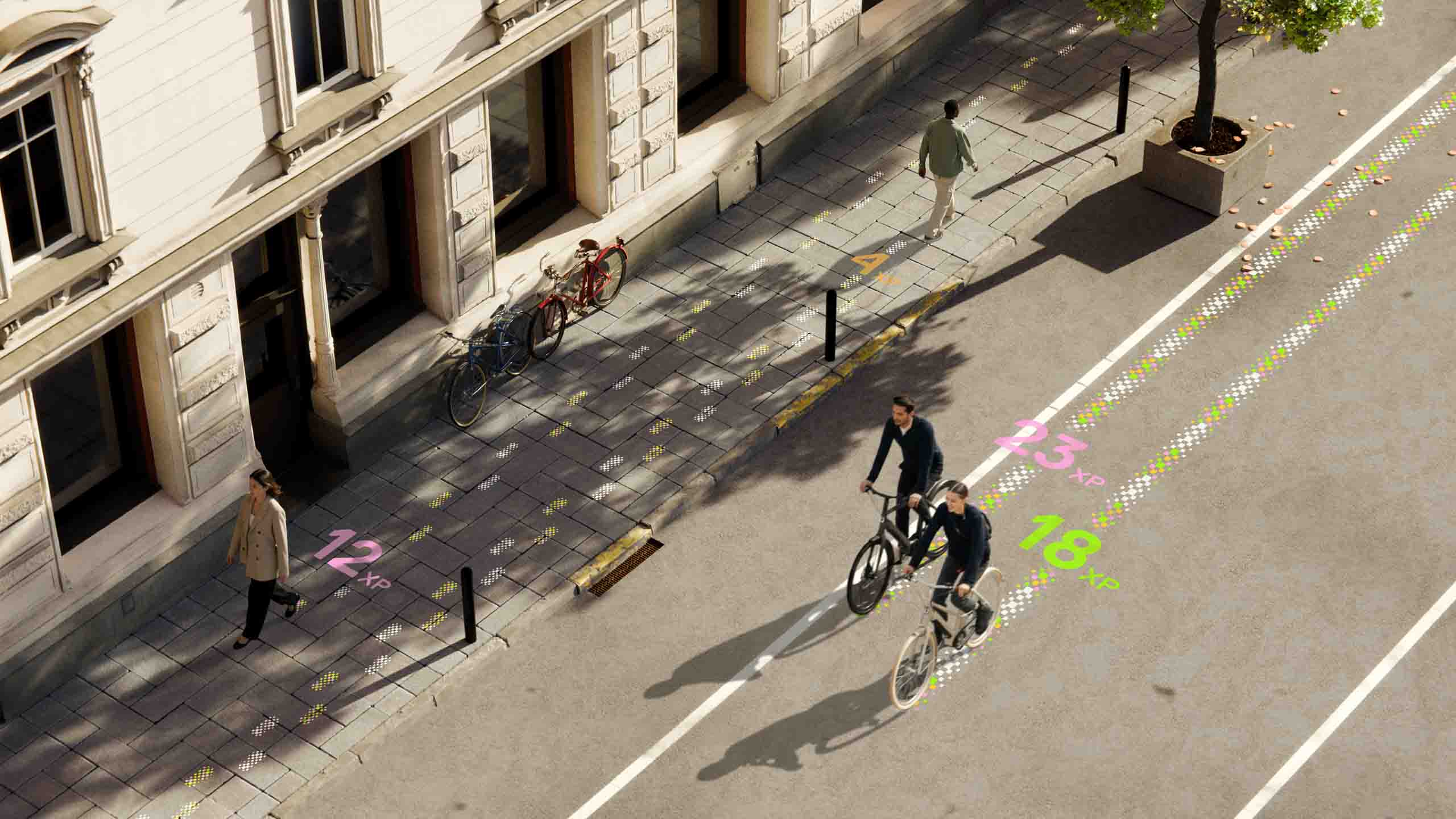
By earning XP for eco-friendly journeys, residents collectively unlock Plots, which are modular public spaces provided by cities to meet climate goals. From playgrounds to dining areas, the community decides each Plot’s purpose, turning individual mobility choices into tangible urban transformation.
Get project details
Role
Constantin Schott
Jannes Daur
Get project details
Team
Bachelor thesis
2025
16 Weeks
Role
Concept
Research
User experience
User testing
Visual design
View as gallery
Problem
Analyzing the biggest drivers of CO₂ emissions in Germany shows that mobility offers major potential for emissions reduction, particularly at the individual level.
The intention-behavior gap
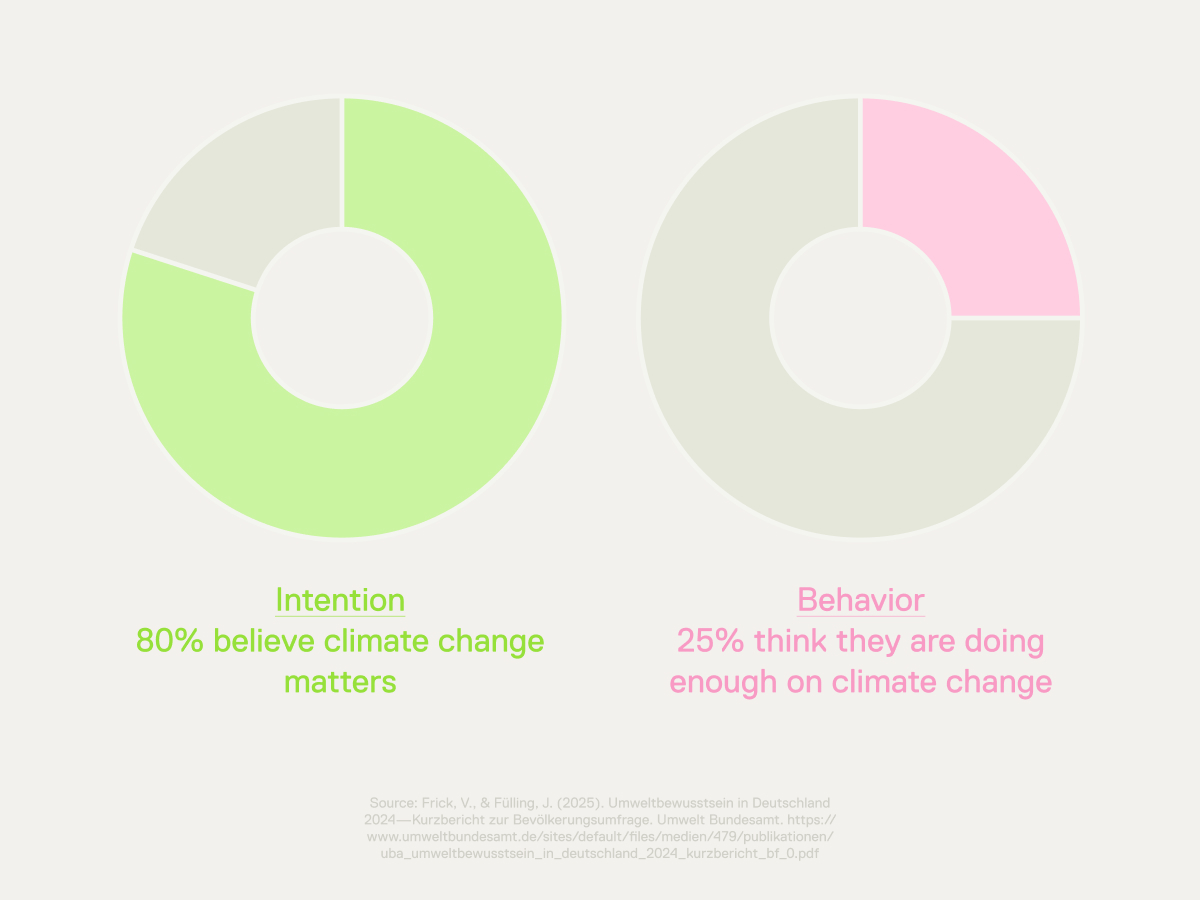
While 80% of Europeans value climate action, only 25% feel their current contribution is sufficient. This gap presents a major opportunity, but turning intention into action requires a design approach that directly addresses ingrained behavioral barriers.
Testing
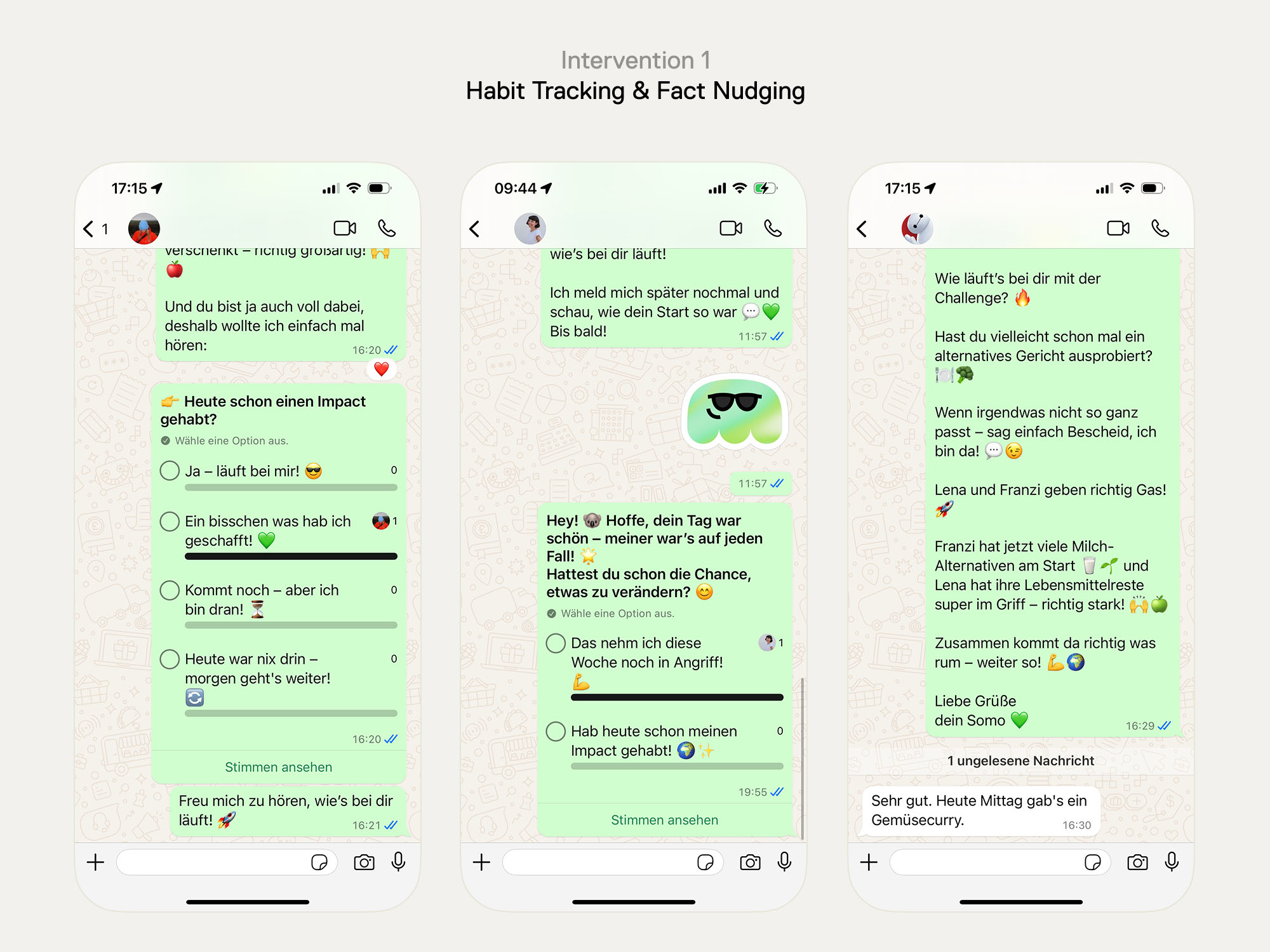
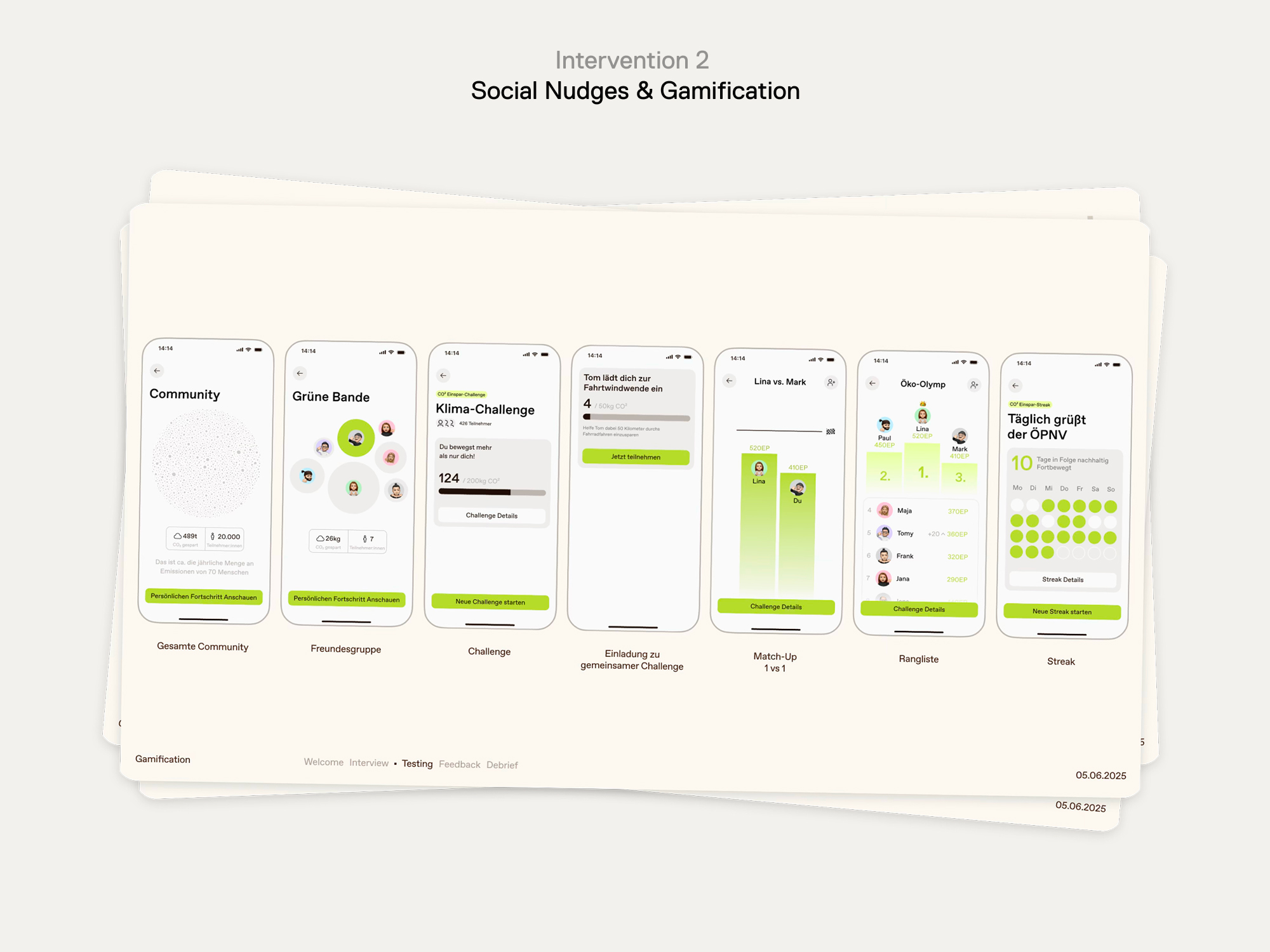
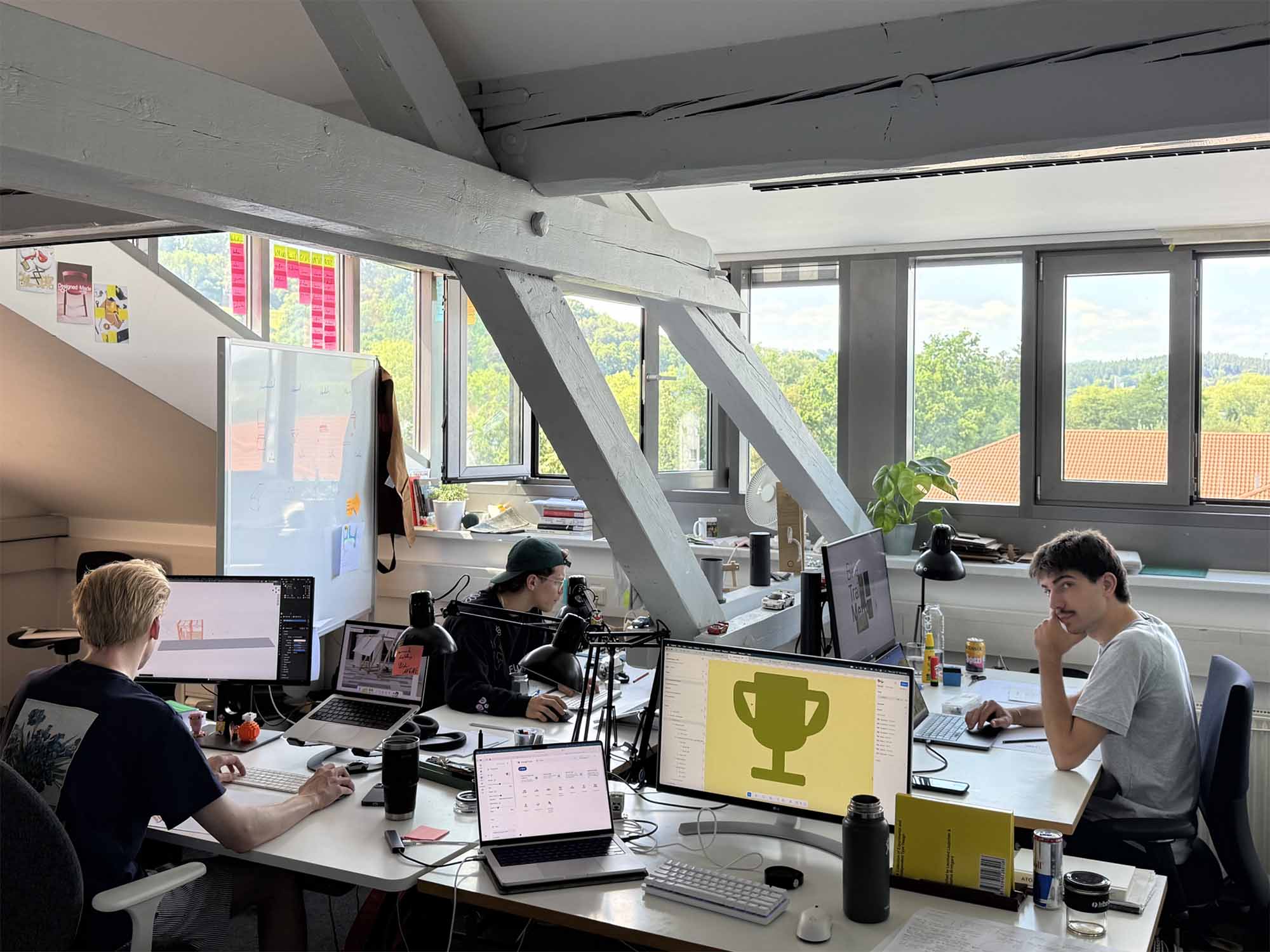
To bridge the intention-behavior gap, we tested two iterations to identify effective drivers for change. The first used a chatbot to raise awareness, but users found isolated efforts frustrating without collective impact. The second added social competition and shared goals, yet digital rewards alone were not enough for lasting mobility changes.
Placeholder image icon with a mountain and sun inside a rounded square on a light gray background.
Takeaways
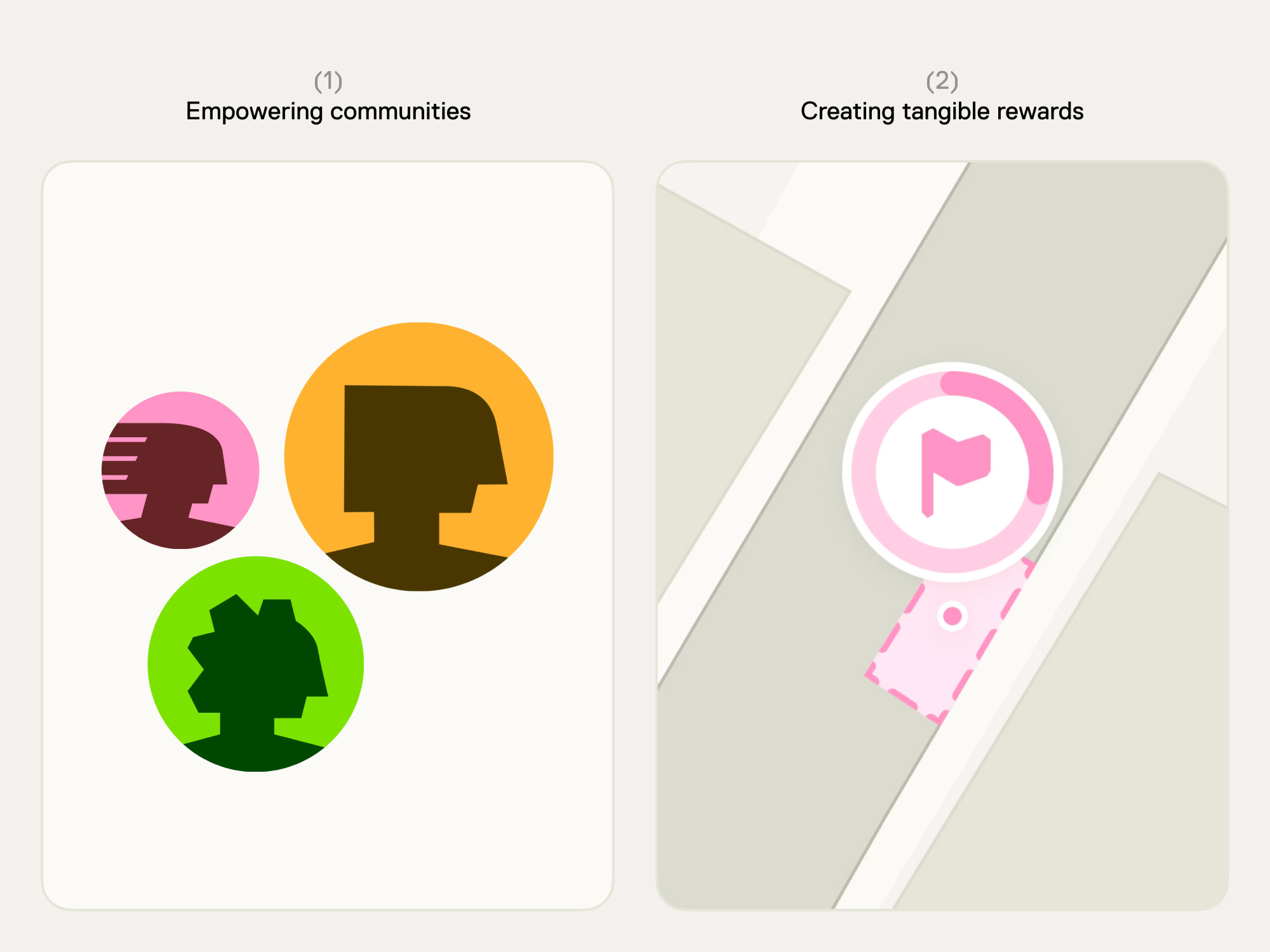
Based on the tests and interviews, we found that community-driven gamification can motivate users through shared goals. We also saw that tangible, real-life rewards beyond a digital app can further encourage lasting behavior change.
Concept
Our vision was to turn sustainable travel into a shared neighborhood experience, where everyday journeys help reclaim urban spaces. The concept links individual actions to community goals, making impact tangible and letting people shape public spaces together.
Placeholder image icon with a mountain and sun inside a rounded square on a light gray background.
Achieving behavior change
To make this vision actionable, we drew on the six phases of the transtheoretical model of behavior change. Sembly meets users where they are and guides them step by step toward lasting sustainable habits.
Placeholder image icon with a mountain and sun inside a rounded square on a light gray background.
Collecting XP
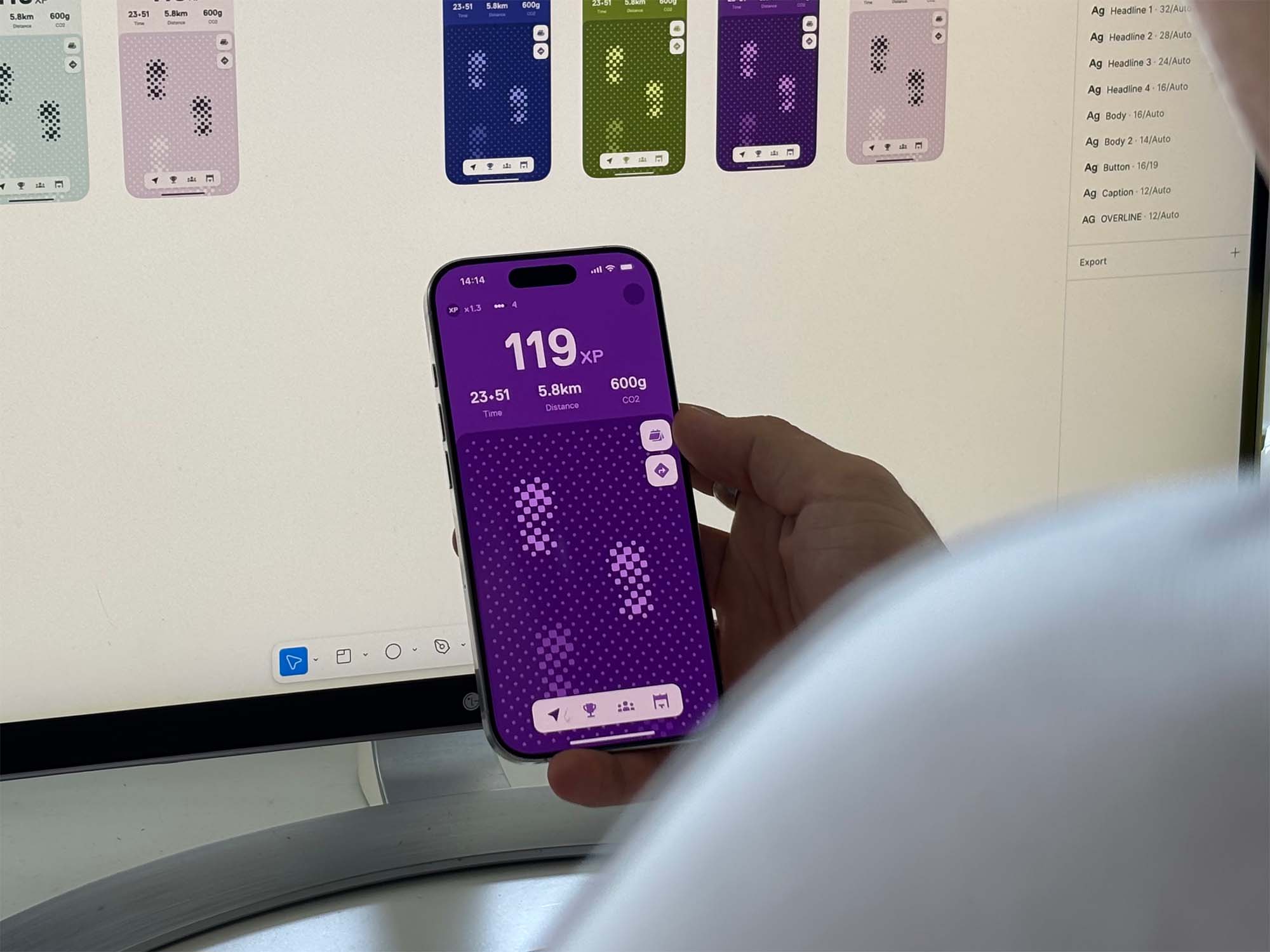
The main way users interact with Sembly is by collecting XP, earning points for sustainable travel that feed into challenges and the community’s shared goals.
Modes of transport
The app offers transport modes, all significantly sustainable than cars. GPS and device sensors track walking, cycling, and public transit, accurately awarding XP for each journey.
Working towards shared goal
XP contributes to a shared goal, a piece of local infrastructure that the community can unlock together.
Local collaboration
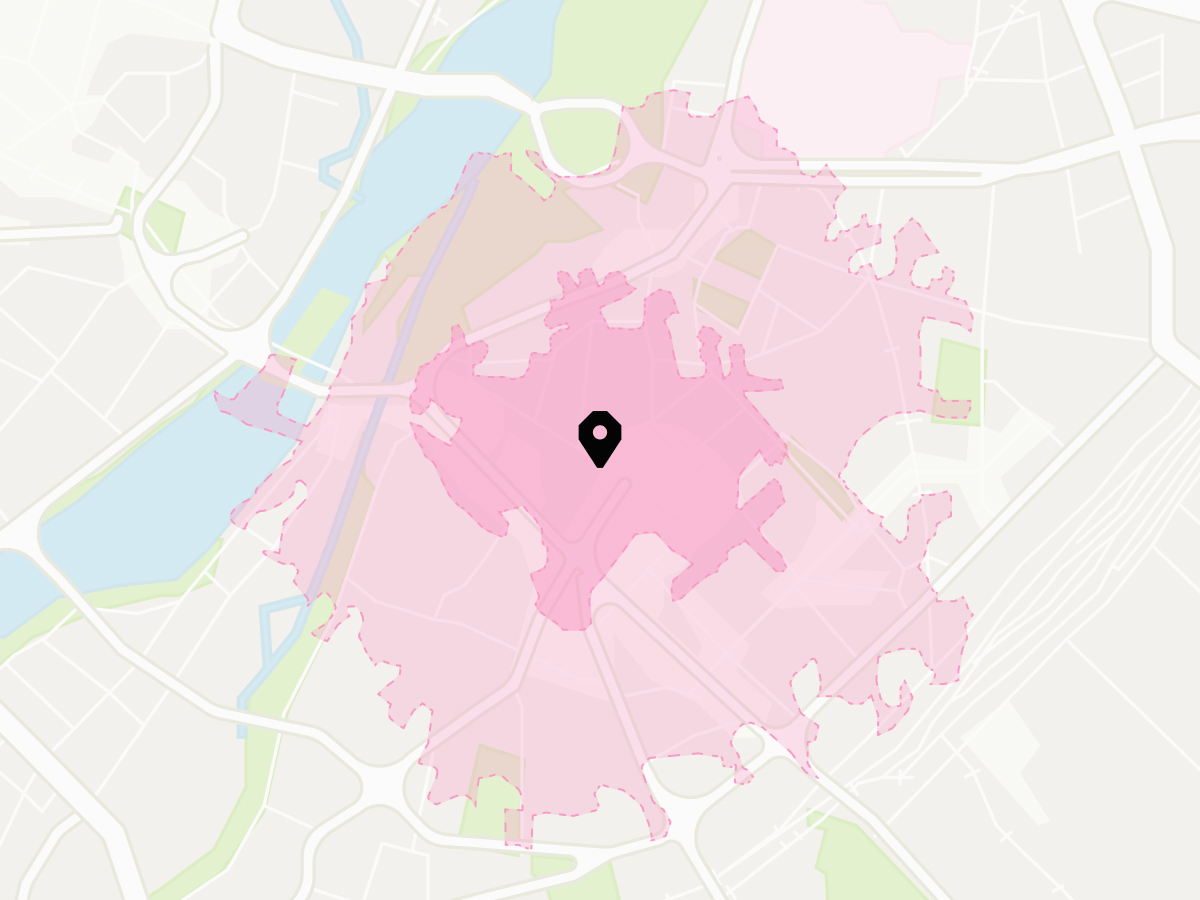
Residents within a five-minute walking radius collaborate, ensuring the concept has meaningful reach while directly benefiting those nearby.
Plots
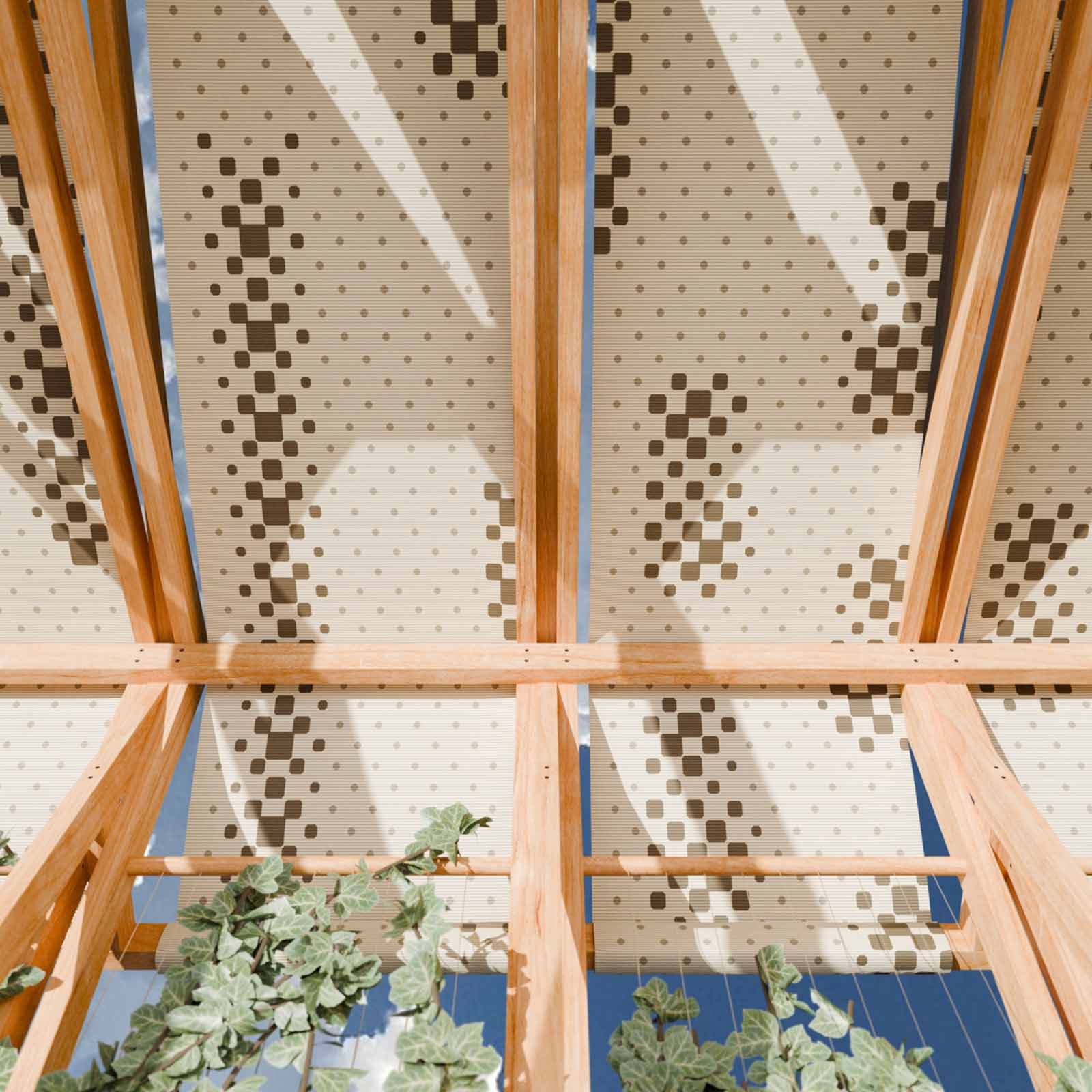
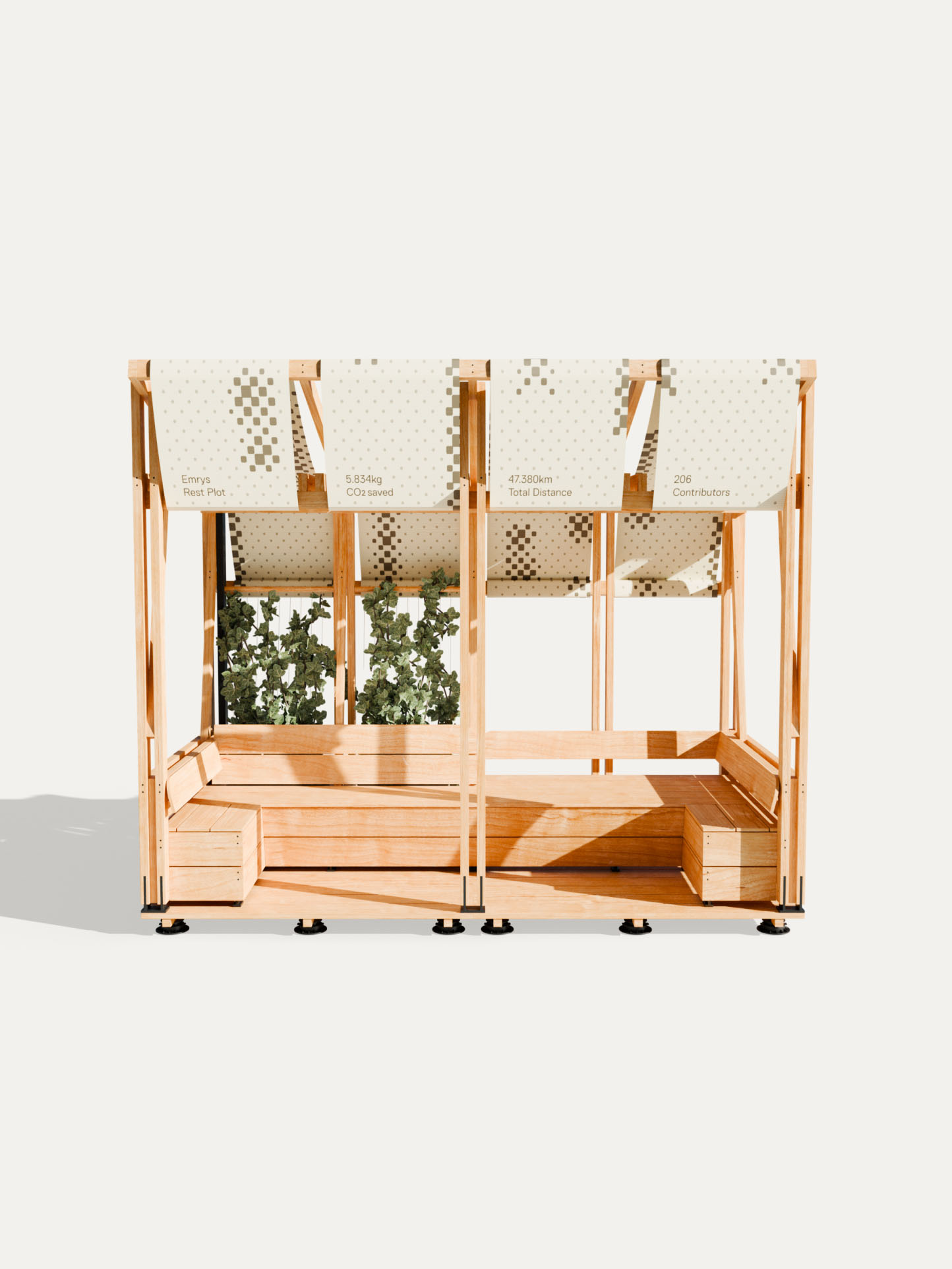
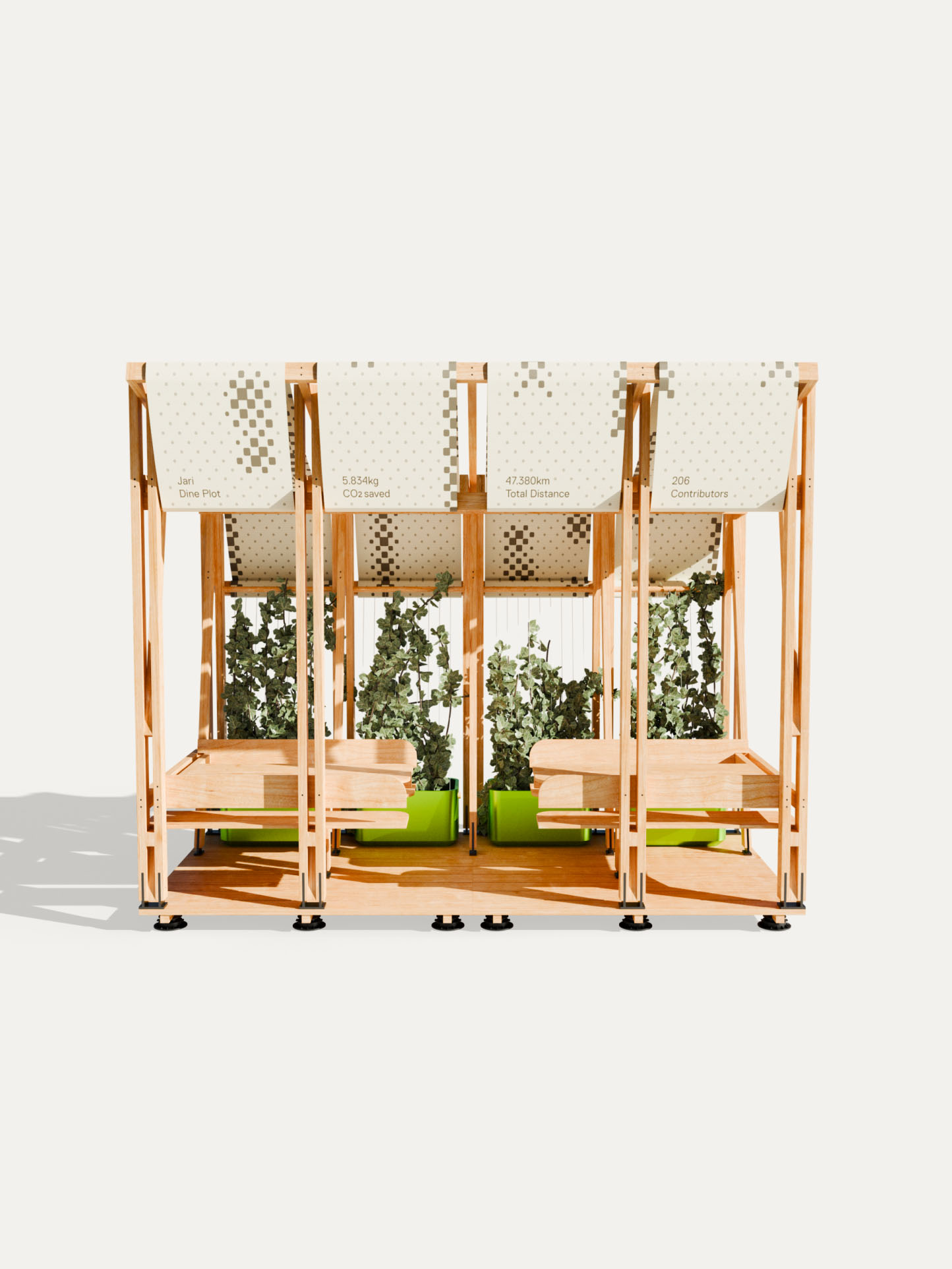
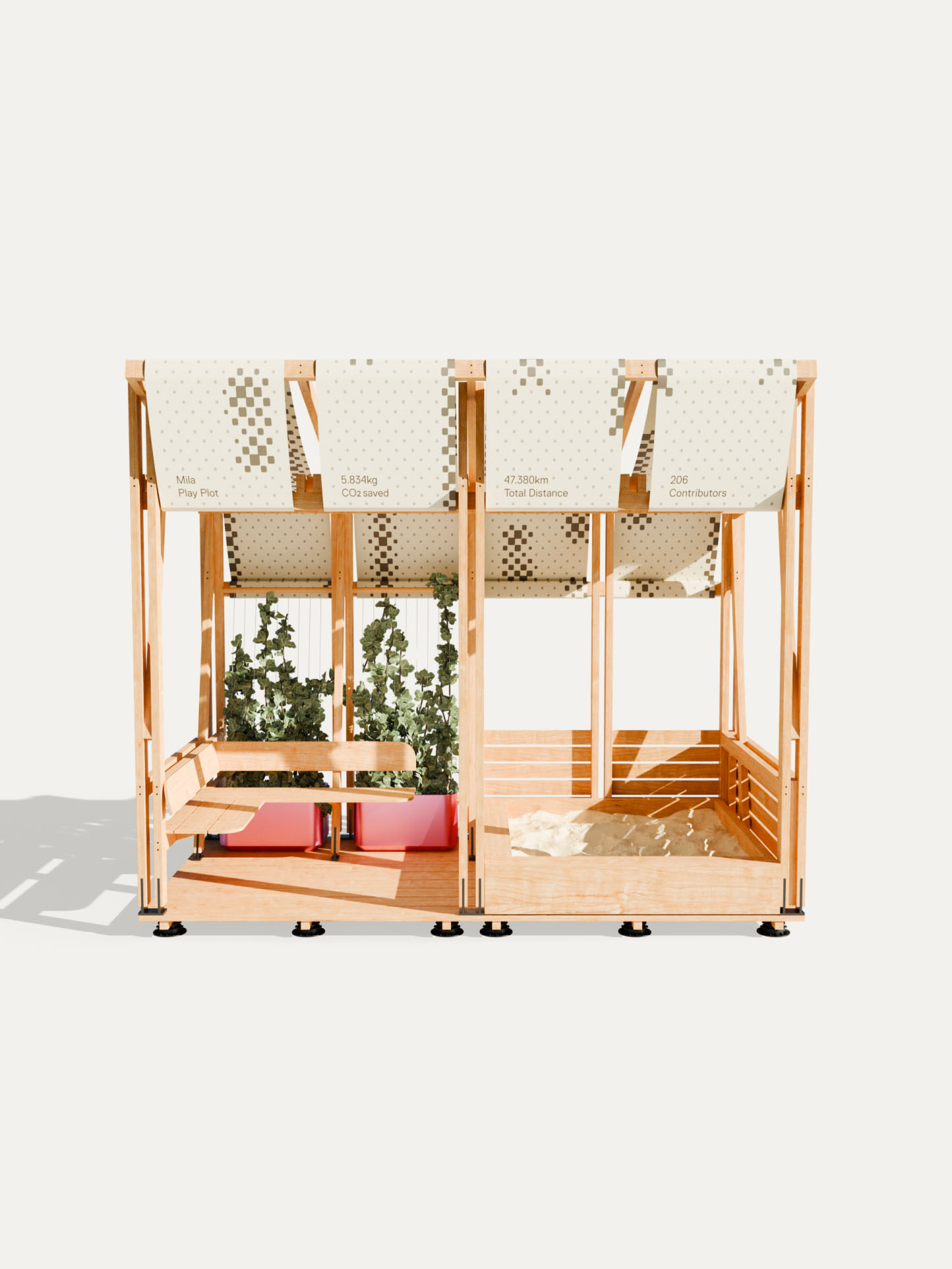
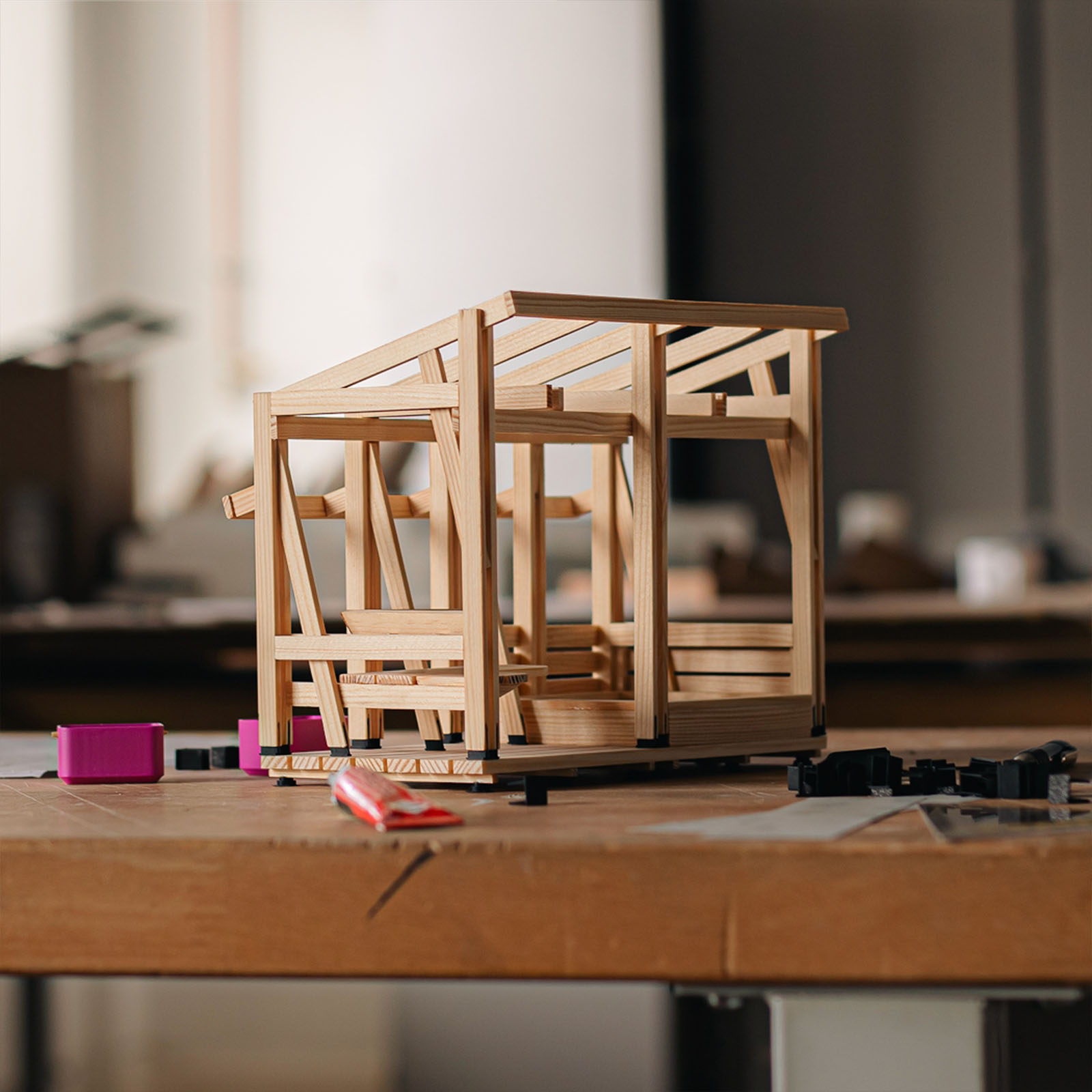
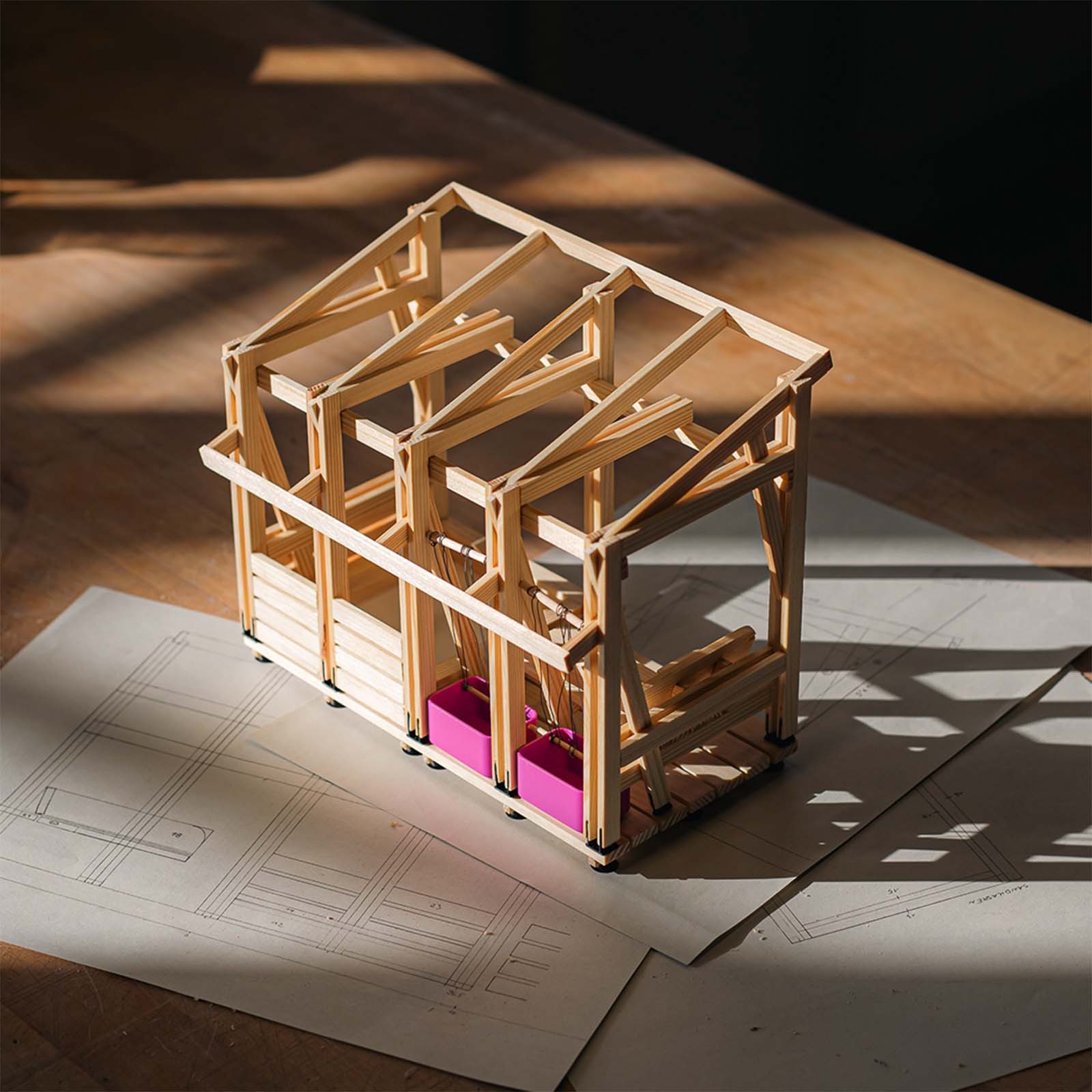
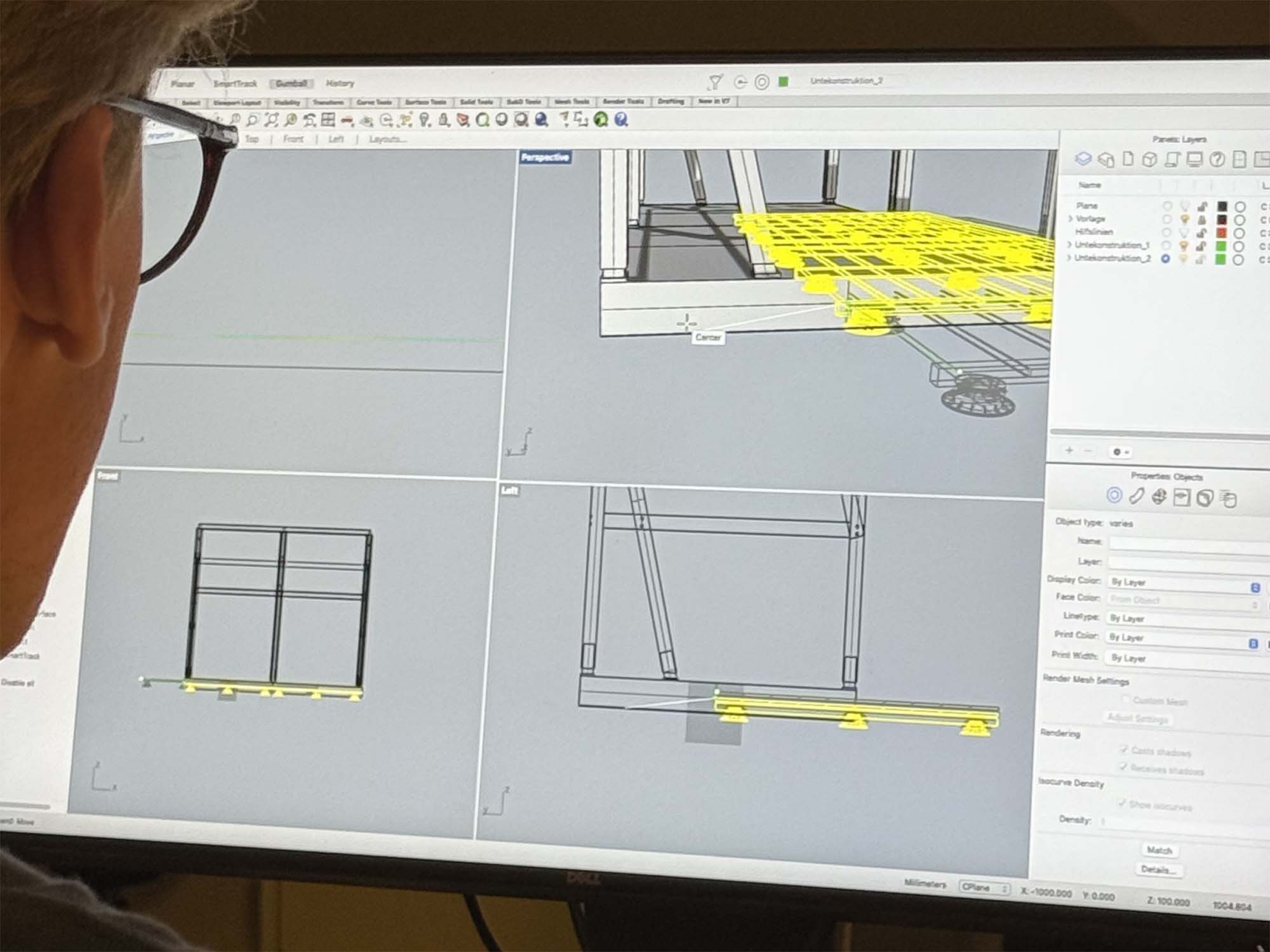
The shared goal, called a Plot, represents modular public spaces provided by cities to promote sustainable mobility. Participants decide each Plot’s purpose, whether to play, dine, or gather. Plots are open-source and designed for local production using local materials.
Empty placeholder image with a light gray background and an icon of a photo in the center.
Gamification
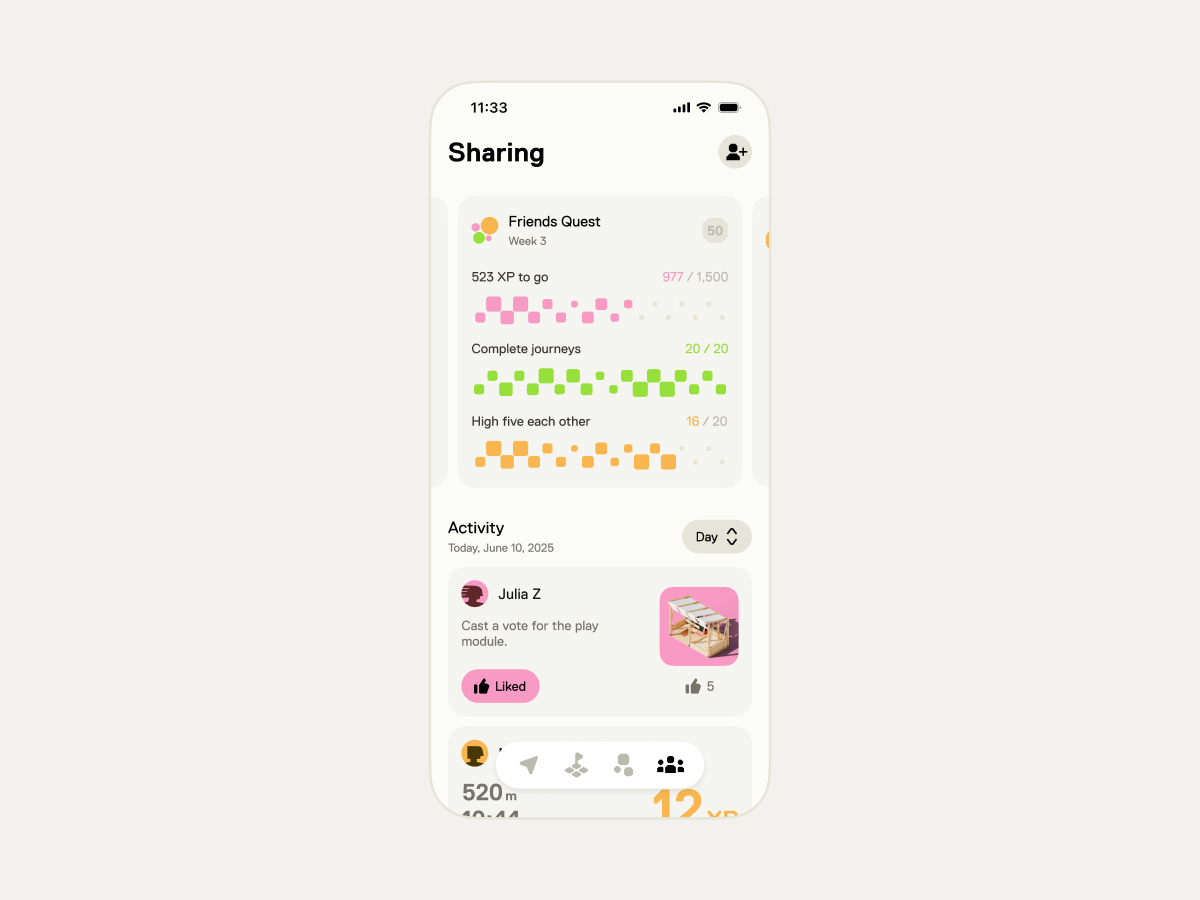
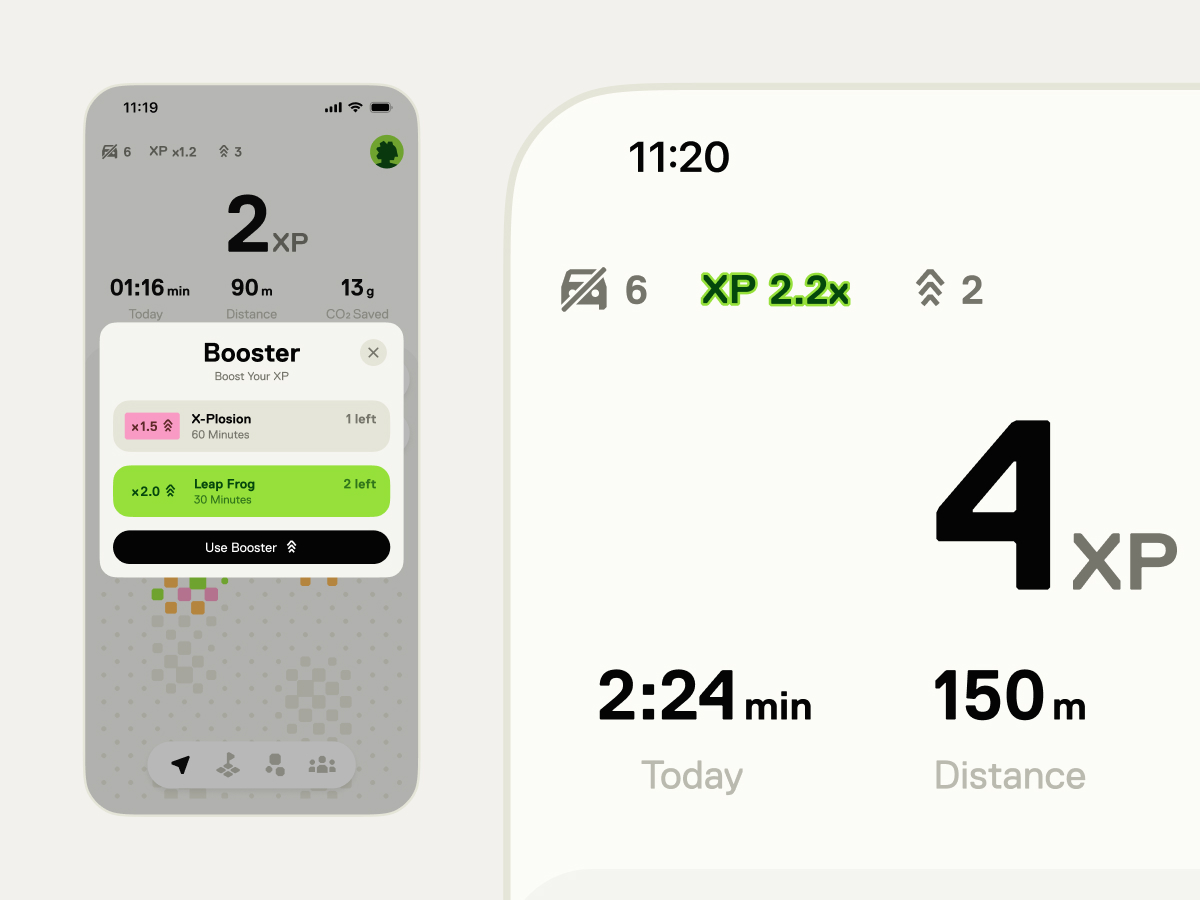
In addition to social nudges that encourage users to follow descriptive norms, the app uses gamification to motivate and engage users, supporting the long-term maintenance of sustainable behaviors.
Community
Milestones
Boosters
Information transparency
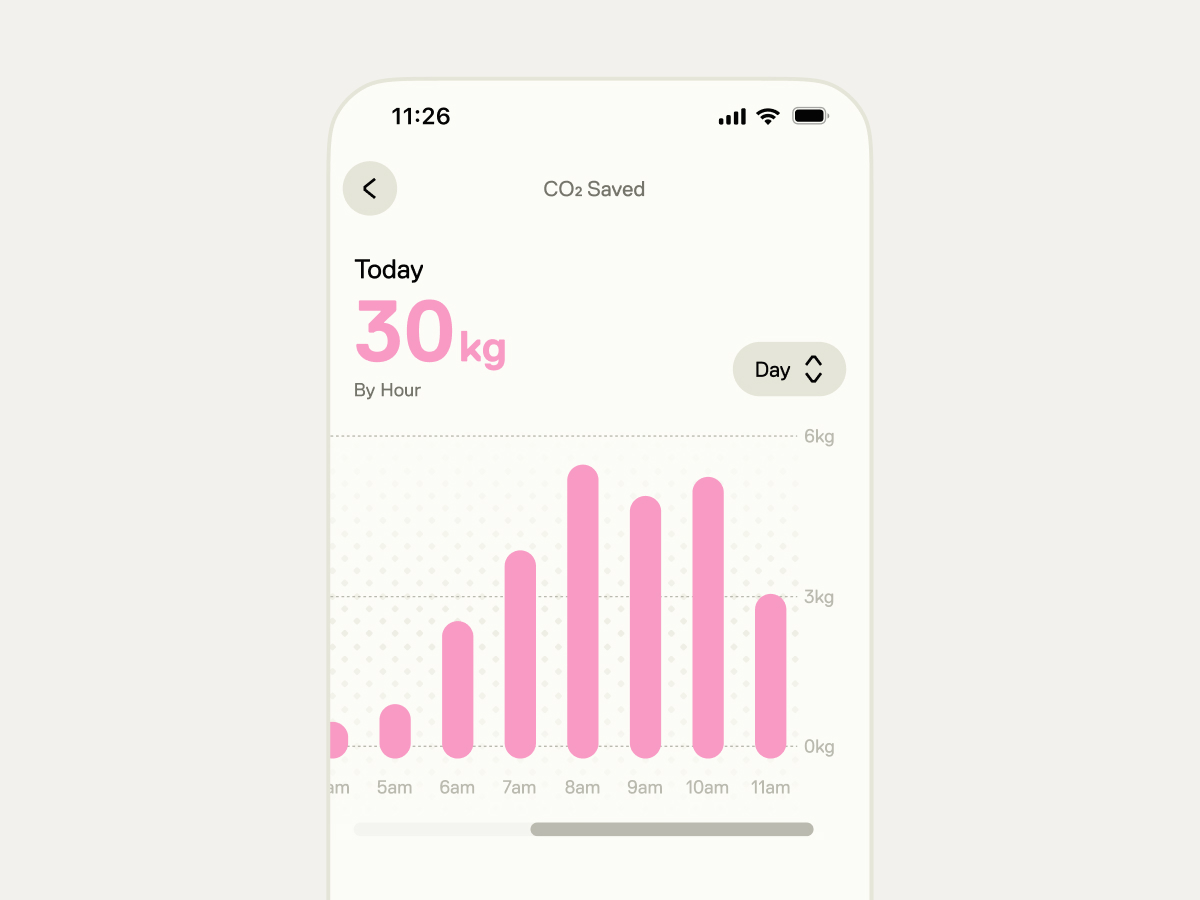
Building on gamification, the app provides transparent feedback by showing how much CO₂ each trip saves. Savings are estimated from travel mode, distance, and standard emission factors using GPS and device sensors.
Empty placeholder image with a light gray background and an icon of a photo in the center.
Design system
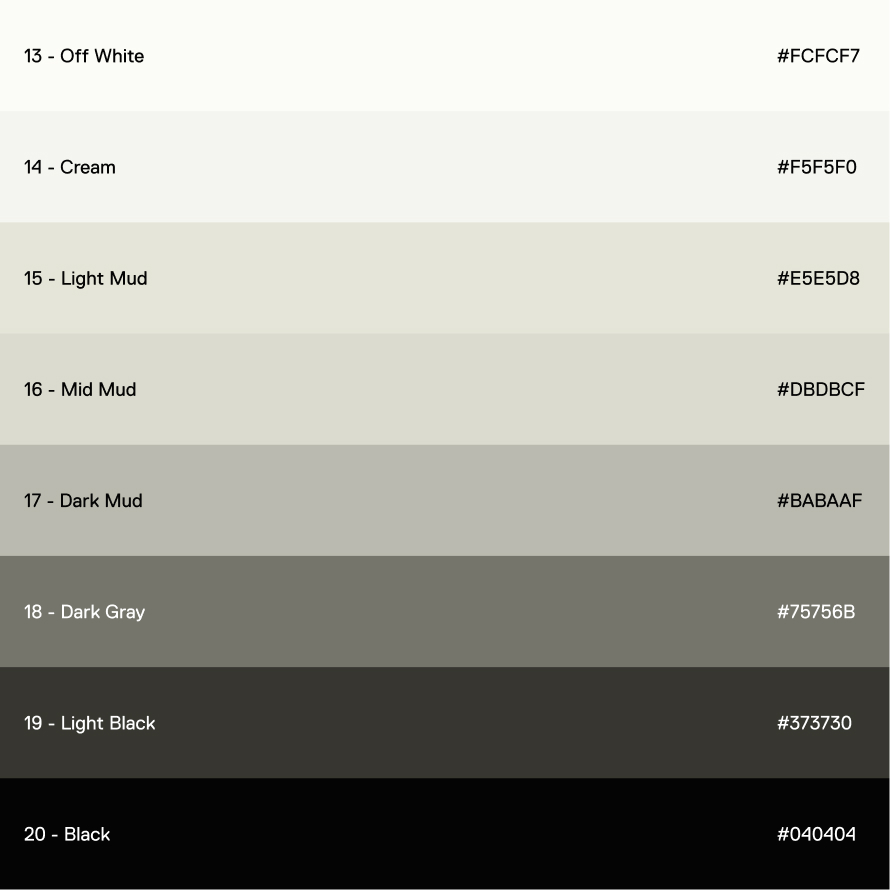
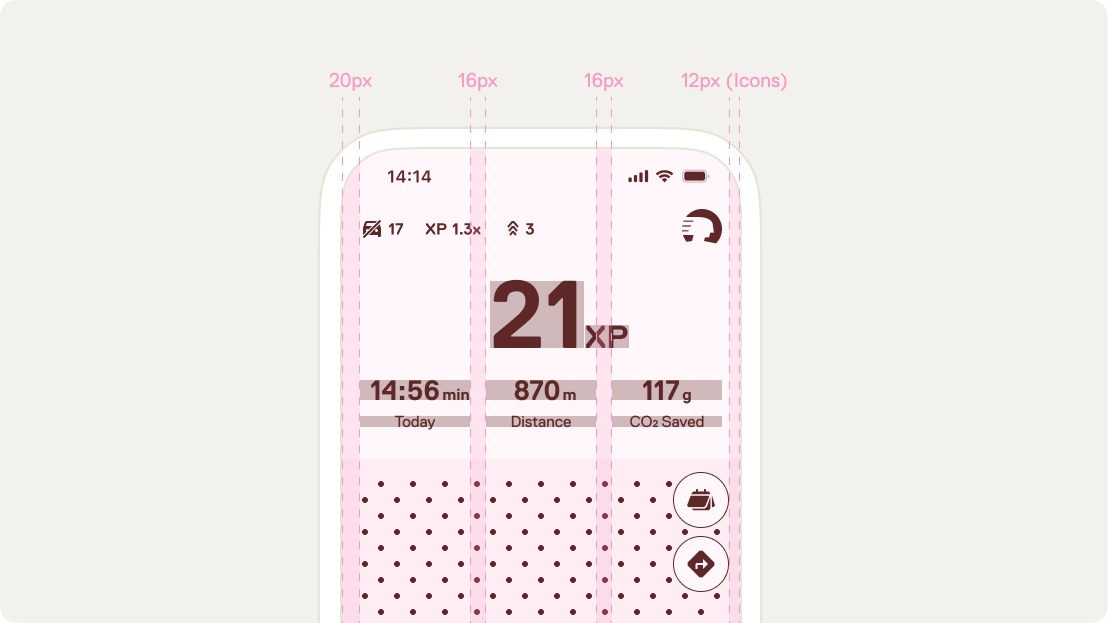
The design system builds on the modular logic of Plots, translating their structured forms into typography, icons, and interface elements to create a cohesive visual language. Soft neutrals reference the urban environment and sustainability goals, while bold accents, clear progress indicators, and playful graphic elements introduce energy and reinforce the platform’s collective, gamified character.
Reflection
I found working on Sembly especially rewarding due to the close collaboration between industrial and interaction design. I enjoyed working with an interdisciplinary team, as it allowed the project to move beyond traditional boundaries. For example exploring how physical and digital touchpoints could work together to support behavioral change.

Working in a group of three during the thesis enabled us to deeply explore the complexity of sustainability paired with behavior change. Weeks of research and interviews revealed how layered the challenge is and taught me how important it is to rely on intuition while making certain design decisions. In the end, it made identifying where meaningful impact could be made difficult, yet extremely rewarding.